
Remote drum recording: a complete guide to hiring a remote session drummer for your song
If you're looking to add live drums to your music without the hassle of booking a studio or coordinating in-person sessions, remote drum recording is the solution. This guide covers everything you need to know: what remote drum tracking is, why it works, how to prepare your files, and what to expect when working with a session drummer online.
Whether you're hiring an online session drummer for the first time or looking to streamline the process, this will help you get professional drum tracks for your song with less friction and better results.
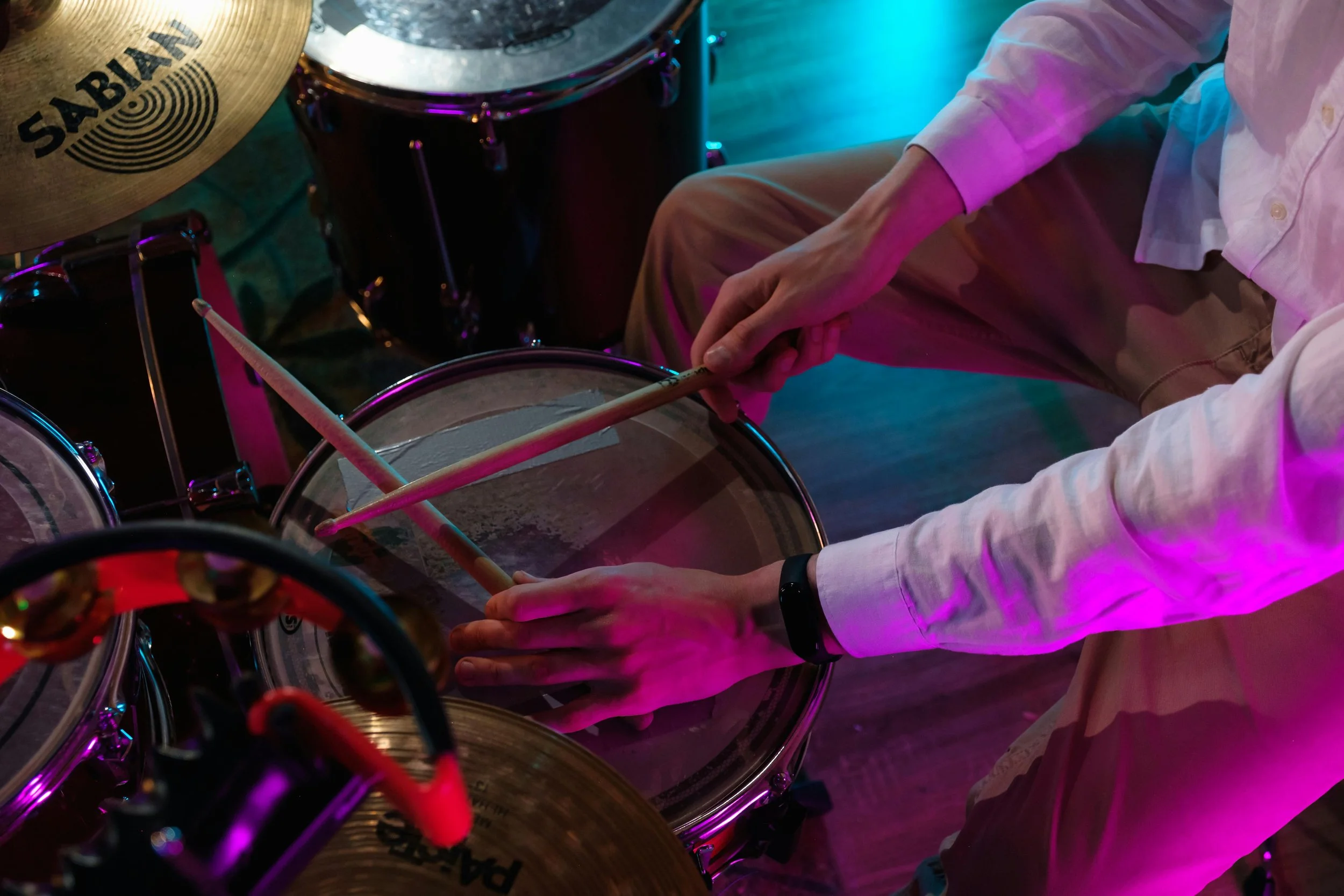
Table of contents
What is remote drum recording?
Why use a remote session drummer?
Live drum tracks vs MIDI or AI drums
How to find a remote drummer
Preparing your session for remote drum tracks
What I need from you
File requirements for remote drum recording sessions
The recording process
What you get back
Revisions and feedback
Tips for best results
Frequently asked questions
Key takeaways
Remote drum recording gives you access to professional drummers and studio-quality gear without geographic limitations or the cost of booking a commercial facility
Live drums bring human feel, dynamics, and groove that MIDI and AI-generated drums can't replicate
Preparation matters: tight tempo maps, clear notes, and reference tracks make the process smoother
You'll receive individual tracks (kick, snare, toms, cymbals, room mics, percussion, etc.) delivered as WAV files that drop right into your session
Quick feedback is essential: provide revision notes within 24 hours to ensure consistency in sound and tone
Clear communication upfront gets you closer to the right performance on the first pass
What is remote drum recording?
Remote drum recording is the process of hiring a session drummer to record live drums for your song without being in the same physical location. You send your track(s) digitally, the drummer records in their professional studio, and you receive high-quality custom drum tracks back, usually within a few days. It's the same quality you'd get from an in-person studio session, minus the logistics and expense.
What you're getting is real drums (kick, snare, toms, cymbals, percussion) performed by an experienced drummer and recorded with professional microphones and preamps. That's a different animal than programmed, MIDI, or AI-generated drums, and it matters when you need tracks that feel human and sit right in the mix.
Why use a remote session drummer?
Feel and groove. Live drums bring dynamics and human timing that programmed drums can't replicate. MIDI, programmed, or AI drums can be tight and consistent, but they don't breathe the same way. Live drums react to the song. They push and pull, they build tension, they know when to lay back and when to drive. That's what separates a track that sounds mechanical from one that sounds alive.
Access to pro players and gear. You're not limited to who's available to record drums in your city or what your budget allows for local studio time. You get access to drummers around the world, including their studios, gear, and expertise.
Speed and flexibility. No scheduling conflicts, no hauling gear, no waiting for the room to open up. You send files, the drummer tracks, and you get multitracks back. If you need changes, you communicate and adjust. The whole process moves at the speed of the internet, not the speed of studio availability.
Cost-effective. You're not paying for studio rent, an engineer, or the overhead of a commercial facility. For most projects, that's a significant savings without sacrificing quality.
Live drum tracks vs MIDI or AI drums
| MIDI / Programmed / AI Drums | Live Drums |
|---|---|
| Perfect for demos, electronic music, absolute control | Natural dynamics, room tone, human feel |
| Infinitely editable, quantizable, programmable | Slight imperfections that make it feel real |
| Great for EDM, hip-hop, tight mechanical parts | Variables in every single hit |
| Best for: precision and electronic elements | Best for: organic foundation and human groove |
How to find a remote drummer
SoundBetter is a great place to browse drummers by genre, listen to samples, read reviews, and compare rates. It's straightforward, and you can usually get a sense of who's legit pretty quickly.
Ask around. If you're working with a producer, mixer, or other musicians, they probably have a go-to drummer or can point you in the right direction. Word of mouth is still one of the best ways to find reliable players.
Search and scroll. Google "remote session drummer" plus your genre or location. Check Instagram or YouTube—many session drummers post clips, and you can get a feel for their playing style and personality before reaching out.
What to look for
Choosing the wrong drummer can cost you time and money. Here's what to look for when hiring a remote drummer:
Range and versatility: Samples that show different genres, feels, and complexity levels
Studio quality: Professional mics, preamps, and a well-treated room
Communication: Someone who asks questions, listens to references, and gets what you're after
Turnaround time: Make sure the timeline aligns with your project schedule
Trust your gut: If the samples sound great and communication is clear, you're probably in good hands
Ready to get started? Here's how I work
From preparation to final delivery, here's what it looks like when you hire me as a remote drummer.
Preparing your session for remote drum tracks
The more dialed-in your session is before you send it, the smoother the process will be.
Nail the tempo. If your song is locked to a click, make sure the click is accurate and the grid lines up with your audio. I can work with tempo drift, but it's easier if everything's tight. If your song has tempo changes, map them out.
Include notes. Call out anything specific you'd like to hear, like builds that need to escalate, or breakdowns that should strip down. You don't need to write a novel, but a quick roadmap helps.
Send reference tracks. Not just the genre or vibe, but specific examples of drum feels, grooves, or tones you're shooting for. "Think Bonham on 'When the Levee Breaks'" is more useful than "big rock drums." References give context and save back-and-forth.
What I need from you
I need to know what you're going for creatively. What's the feel? Laid-back and loose, or tight and driving? Are we talking vintage soul, indie rock, modern pop, or Americana? The more specific you can be, the better.
If you have specific requests (certain fills, ghost notes, ride cymbal versus hi-hat in the verse), say so. If there's a section that needs attention because the groove isn't working yet, flag it. I'm here to serve the song, and the more you communicate upfront, the closer I'll get on the first pass.
That said, don't overexplain. If you hire a session drummer, trust them to bring ideas and instincts to the table. You don't need to chart out every hit. Give direction, provide context, and let me do what I do.
File requirements for remote drum recording sessions
Format: MP3s work fine. High-res audio isn't necessary at this stage.
What to send:
Guide track or rough mix (so I can hear the whole song in context)
Individual tracks if the mix is dense (vocals, bass, guitars, or whatever's essential for me to lock in with)
Demo drums if you used MIDI or AI (gives me a sense of the groove, feel, and where fills should go)
Important details:
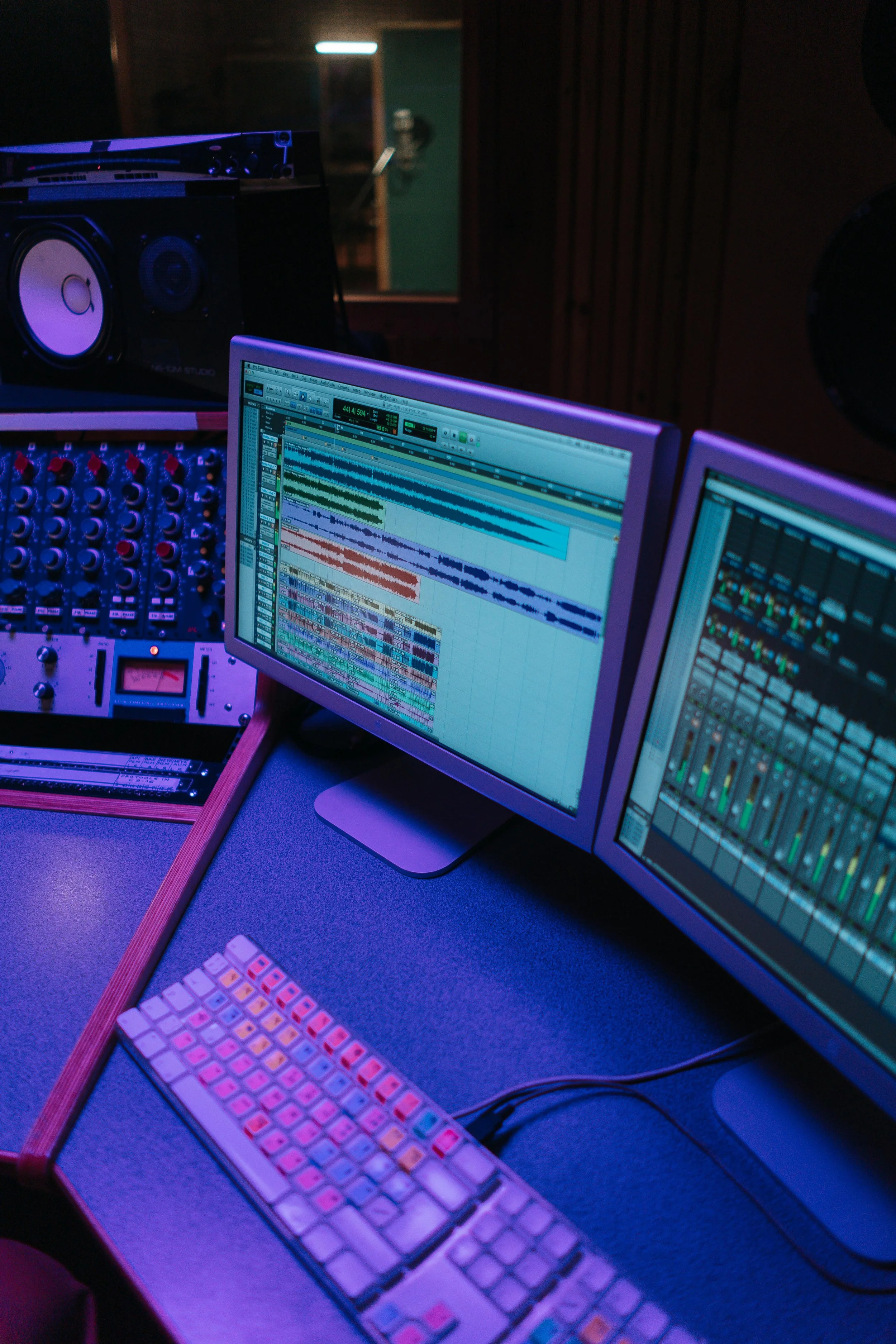
Mute the click track before exporting (I'll generate my own based on the tempo)
Bounce everything from the same starting point (export from bar 1 or measure 0, so the files line up with the grid)
Name files clearly: "Lead_Vocal.mp3" and "Bass_DI.mp3" beat "Audio_01.mp3" and "Audio_02.mp3"
The recording process
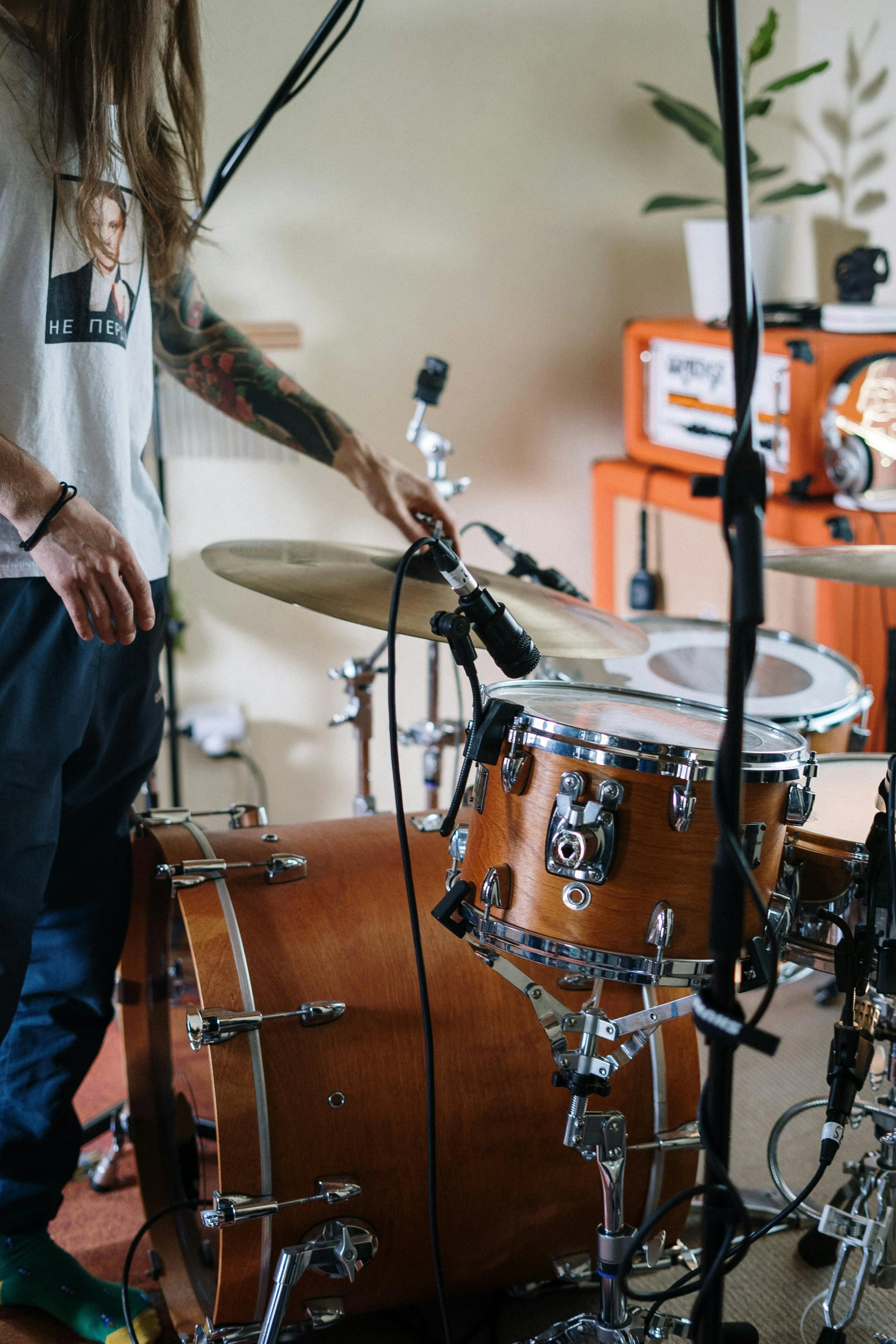
Once I have your files and notes, I'll import everything, listen through, and map out the song. I record with quality mics running through preamps that capture a clean, punchy sound. I'll usually track a few passes to capture different feels or variations, then comp together the best performance. Depending on the song's complexity, this takes anywhere from an hour to half a day.
Turnaround is typically 3-5 days from when I receive files, depending on my schedule and the scope of the project. If you need it faster, let me know upfront, and we'll figure it out.
What you get back
You'll hear a processed reference mix that shows how I balanced and mixed the drums. This gives you a sense of what they can sound like with full processing, and you can use it as a starting point if you want. But the individual multitracks are clean and ready for you to work with however you need.
Once we finalize the drums, you get at least 11 multitrack drum files:
Kick-In
Kick-Out
Snare-top
Snare-bottom
Rack tom
Floor tom
Hi-hat
Overhead-Ride
Overhead-HH
Crotch mic
Mono room mic
I also include tambourine and shaker if the song calls for it.
These are delivered as-recorded (captured with quality preamps and some light compression where needed, but with no post-processing). You get full flexibility to EQ, compress, and shape the sound in your mix.
Files will be organized, labeled, and bounced from the same start point as your original session. Drop them in, and they should line up immediately.
Everything will be delivered as WAV or AIFF files at the same sample rate and bit depth you sent. If you need a different format or specs, just ask.
Revisions and feedback
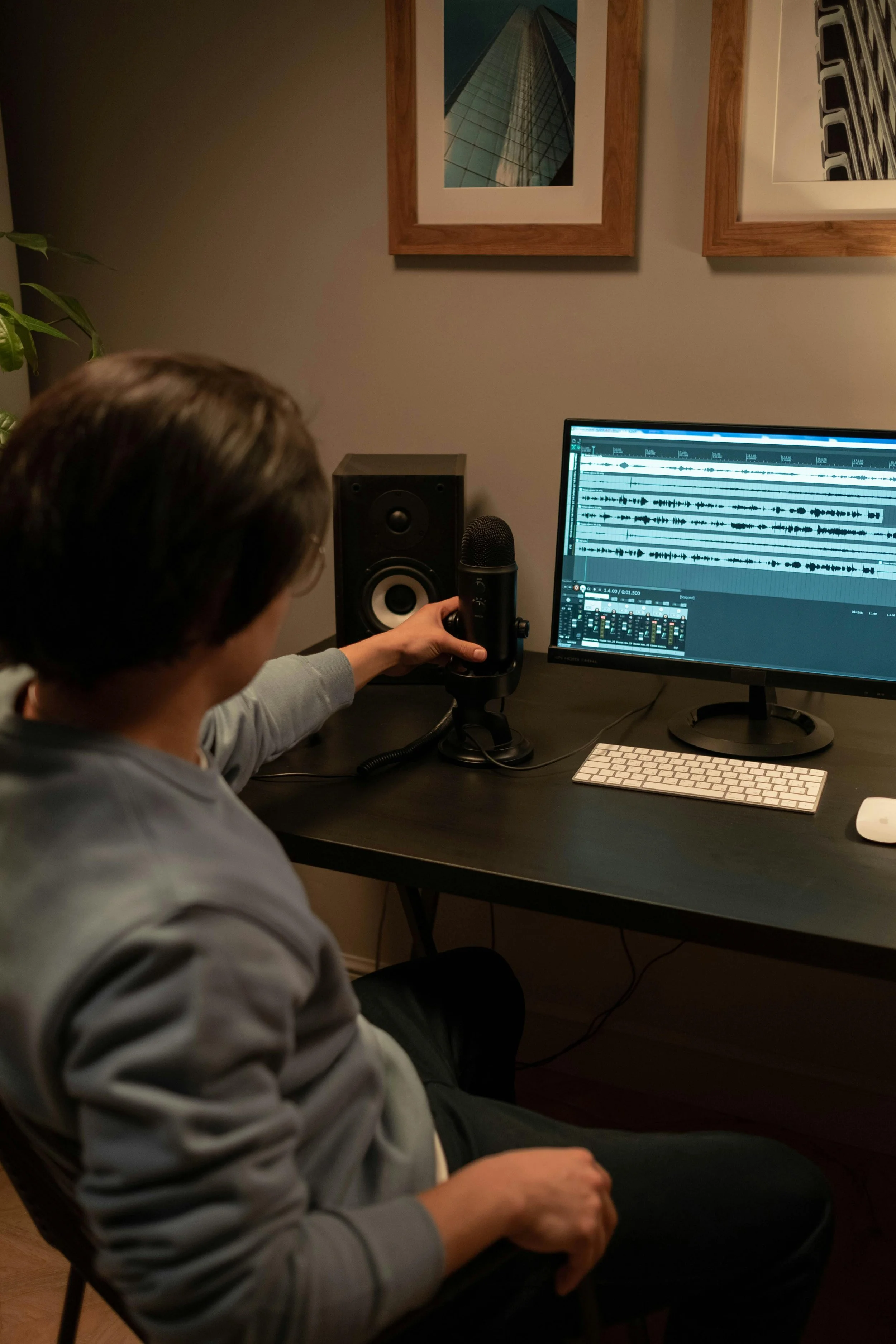
I want you to be happy with the tracks, so revisions are part of the process. If something's not working (a fill feels off, the groove is too busy, a section needs more energy) let me know and I'll adjust.
Timing matters. I need feedback quickly (ideally the same day of delivery). This lets me make changes while the session is still fresh and my setup is unchanged. Once I move the mics or start tracking other projects, the room sound and tone will shift, making it harder to match what you originally received.
The easiest revisions are things like swapping a ride for hi-hat, changing the intensity of a section, or reworking a specific fill. Bigger changes, such as re-tracking the entire song in a different style, are trickier and may require a deeper conversation, but I'm flexible.
Typical turnaround for revisions is 1-2 days. The clearer and faster your feedback, the smoother the process.
Tips for best results
Send clear references. If you want a certain vibe, point to a song that nails it. "I'm hearing something like the drums on this track" is worth a thousand words.
Don't overexplain, but don't under-communicate either. Trust me to make musical choices, but give enough context that those choices align with your vision.
Leave room in your arrangement. If the track is already dense with percussion loops, programmed hi-hats, and layered rhythm guitars, live drums might fight for space. Think about what you can pull back to let the drums breathe.
Mention weird requests early. Odd time signature, specific vintage sound, mallets or brushes—I can handle it, but it's better to know upfront than discover it halfway through.
Communicate early and often. The more we're on the same page from the start, the smoother the whole process will be.
Frequently asked questions
How much does remote drum recording typically cost? Rates vary based on experience, studio quality, and turnaround time. Expect anywhere from $150-$500+ per song, depending on complexity and the drummer's experience level. Many drummers offer package rates for EPs or albums.
What if I don't have a click track or tempo map? Most session drummers can work with songs that drift or have no click, but it's easier and faster if the tempo is mapped out. If you're unsure, mention it upfront; the drummer can help figure it out.
Can I request a specific drum sound or tone? Absolutely. Send reference tracks that capture the drum sound you're after. Most drummers have multiple snares, cymbals, and tuning options to get you close to what you're hearing.
How many revisions are typically included? This varies by drummer, but 1-2 rounds of revisions are standard. Minor changes like swapping cymbals or adjusting intensity are usually quick. Bigger changes might require additional discussion.
Do I need to provide sheet music or a chart? Not usually. Structure notes, reference tracks, and a description of the feel are typically enough. If your song is complex or has unusual sections, a simple chart can help, but it's not required.
Can you match the sound of drums I used in my demo? If you send your demo drums (MIDI or AI-generated), a session drummer can use that as a reference for groove and feel. Matching the exact tone depends on the gear available, but most pros can get close with the right direction.
Ready to get started?
If you're ready to add live drums to your project, reach out with your track and any notes on your vision. I'll get back to you with a timeline, and we can get moving.